XIAMEN OLINK IMPORT & EXPORT CO., LTD
Especialmente desenvolve, produz e vende conectores / terminais / chicotes de fios / interruptores.


-
Ligue para nós 0592 6536915
-
Envia-nos um email sophia@fzolink.com
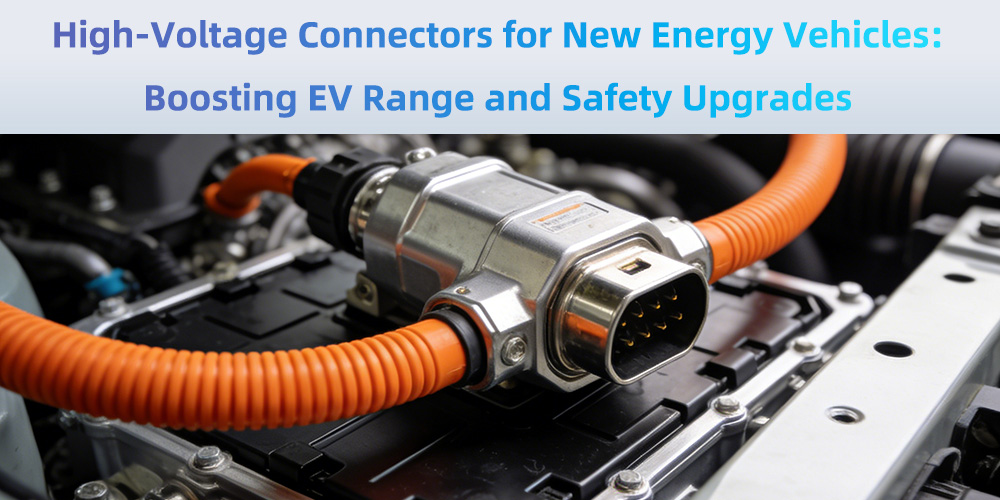
Nos últimos anos, a indústria global de veículos de nova energia (NEV) experimentou um crescimento explosivo, impulsionado pelos objetivos duplos de neutralidade de carbono e transformação da estrutura energética. Para os consumidores, os dois principais pontos de preocupação que há muito restringem a adoção generalizada de veículos elétricos (EVs) são a autonomia limitada de condução e as preocupações com o desempenho de segurança. Por trás dos avanços constantes nessas duas áreas, os conectores de alta tensão, como componente essencial do sistema de energia dos NEVs, desempenham um papel insubstituível.
Clique para saber mais sobre todos os conectores de alta tensão
3. Situação do mercado e perspectivas futuras
4. Conclusão
A ligação direta para a extensão da autonomia: como os conectores de alta tensão aumentam a autonomia dos EVs
A autonomia de condução dos EVs sempre foi um fator essencial que influencia as decisões de compra dos consumidores. A chamada "ansiedade de autonomia" de muitos consumidores não está relacionada apenas à densidade energética da bateria, mas também está intimamente ligada à eficiência de transmissão de energia de todo o sistema de potência. Os conectores de alta tensão, como elo importante na cadeia de transmissão de energia, têm impacto direto na perda de energia do sistema de potência, afetando assim a autonomia real de condução do veículo.
Primeiramente, reduzindo a perda de energia por meio de um design de contato de baixa resistência. Durante a transmissão de energia elétrica de alta tensão e alta corrente, a resistência de contato do conector causará uma certa quantidade de perda de energia (geralmente manifestada como geração de calor). Conectores de alta tensão de alto desempenho utilizam materiais de contato avançados (como liga de cobre de alta condutividade) e um design otimizado da estrutura de contato, que pode minimizar a resistência de contato. Por exemplo, alguns conectores de alta tensão de NEVs de alta gama conseguem controlar a resistência de contato dentro de alguns miliohm, reduzindo significativamente a perda de energia durante a transmissão elétrica e garantindo que mais energia elétrica armazenada na bateria possa ser utilizada para mover o veículo.
Em segundo lugar, otimizando a eficiência de transmissão de energia para se adaptar a condições de trabalho de alta carga. Quando os EVs estão em condições de alta carga, como condução em alta velocidade, subida de rampas ou aceleração rápida, a demanda do motor por energia elétrica aumenta rapidamente. Conectores de alta tensão com excelente desempenho podem transmitir correntes elevadas de forma estável sob condições de alta carga, garantindo que o motor obtenha um fornecimento de energia suficiente em tempo hábil, evitando perdas de potência causadas por transmissão insuficiente de energia e, assim, mantendo o desempenho de potência do veículo enquanto reduz desperdícios desnecessários de energia.
Em terceiro lugar, realizando um design leve e miniaturizado para reduzir o consumo de energia do veículo. O peso total do veículo é um fator importante que afeta a autonomia dos EVs — um veículo mais leve significa menor consumo de energia. Os fabricantes de conectores de alta tensão utilizam materiais leves (como plásticos de engenharia de alta resistência) e designs estruturais otimizados para reduzir o peso e o volume do conector, mantendo seu desempenho. Por exemplo, o peso de um único conector de alta tensão pode ser reduzido em 10%-20% por meio de um design leve. Embora a redução de peso de um único conector seja limitada, o efeito acumulado de vários conectores em todo o veículo pode reduzir efetivamente o peso total do veículo e melhorar ainda mais a autonomia de condução.
Dados de casos relevantes mostram que, após determinado modelo popular de NEV substituir os conectores de alta tensão originais por conectores de baixa resistência e alto desempenho, a perda de energia do sistema de potência foi reduzida em cerca de 3%, e a autonomia real de condução em condições abrangentes de operação aumentou em 8-12 km. Isso comprova plenamente o papel positivo dos conectores de alta tensão na melhoria da autonomia dos EVs.
A base da atualização de segurança: mecanismos de proteção de segurança dos conectores de alta tensão
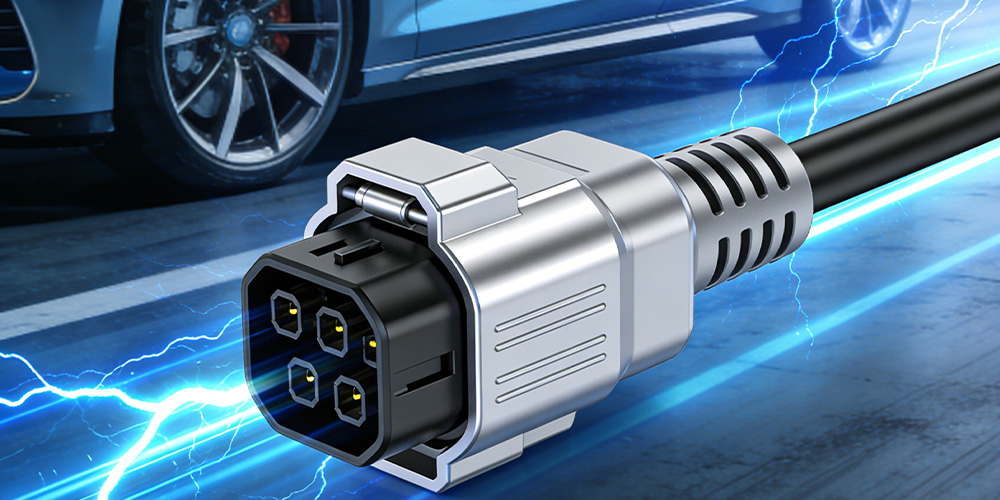
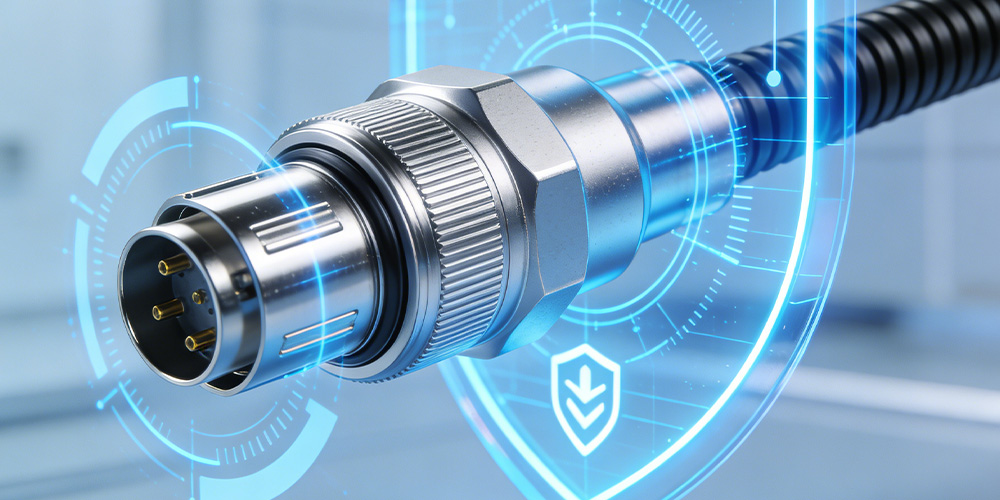
A segurança é o principal pré-requisito para o desenvolvimento dos NEVs. O sistema de alta tensão é o núcleo dos NEVs, e sua segurança está diretamente relacionada à segurança da vida e dos bens dos usuários. Como componente de conexão essencial do sistema de alta tensão, os conectores de alta tensão são equipados com um mecanismo de proteção de segurança multicamada para construir uma sólida "barreira de segurança" para a operação dos NEVs.
O sistema de intertravamento de alta tensão (HVIL) é o principal design de segurança dos conectores de alta tensão. Seu princípio de funcionamento é conectar um circuito de monitoramento de baixa tensão dentro do conector de alta tensão. Quando o conector não está totalmente conectado ou é desconectado acidentalmente, o sistema HVIL detectará imediatamente o sinal de interrupção do circuito e o enviará de volta à unidade de controle do veículo (VCU). A VCU emitirá então uma instrução para interromper a alimentação de alta tensão da bateria em tempo hábil, evitando riscos de choque elétrico causados por terminais de alta tensão expostos. Esse mecanismo garante que o circuito de alta tensão só seja conectado quando o conector estiver totalmente travado, eliminando fundamentalmente o risco de segurança de choque elétrico durante a conexão e desconexão do sistema de alta tensão.
A proteção contra sobrecorrente e sobretensão é outra importante garantia de segurança dos conectores de alta tensão. Durante a operação dos NEVs, fatores como curtos-circuitos no sistema de potência, operação anormal do motor ou falha da estação de carregamento podem causar sobrecorrente ou sobretensão no circuito de alta tensão. Os conectores de alta tensão são equipados com componentes de proteção contra sobrecorrente e sobretensão (como fusíveis, sensores de tensão etc.). Quando a corrente ou tensão no circuito excede o limite seguro, esses componentes acionam oportunamente um mecanismo de corte para desconectar o circuito de alta tensão, evitando danos a componentes essenciais como bateria e motor causados por sobrecorrente e sobretensão e até prevenindo acidentes de segurança, como incêndios.
Além disso, os conectores de alta tensão também possuem excelentes capacidades de adaptação e proteção ambiental. Durante o uso, os NEVs precisam enfrentar ambientes de trabalho complexos, como dias chuvosos, desertos de alta temperatura, planaltos de baixa temperatura e estradas com poeira. Os conectores de alta tensão adotam um design selado para alcançar um alto nível de desempenho à prova d'água e poeira (geralmente atingindo o nível de proteção IP67 ou superior), evitando que água, poeira e outras impurezas entrem no interior do conector e causem curtos-circuitos. Ao mesmo tempo, a carcaça do conector e os componentes internos são fabricados com materiais resistentes a altas temperaturas e corrosão, mantendo desempenho estável na faixa de temperatura de -40℃ a 125℃ e adaptando-se às condições severas de operação dos NEVs.
Deve-se enfatizar que todos os conectores de alta tensão para NEVs devem cumprir rigorosos padrões internacionais e regionais de segurança. Por exemplo, eles precisam atender aos requisitos do padrão da Comissão Eletrotécnica Internacional (IEC) 61984, do padrão da Sociedade de Engenheiros Automotivos (SAE) J1772 e do padrão nacional da China GB/T 18487.1. Esses padrões estabelecem requisitos rigorosos para o desempenho de segurança, métodos de teste e controle de qualidade dos conectores de alta tensão, garantindo que os conectores de alta tensão utilizados em NEVs tenham desempenho de segurança confiável.
Situação do mercado e perspectivas futuras
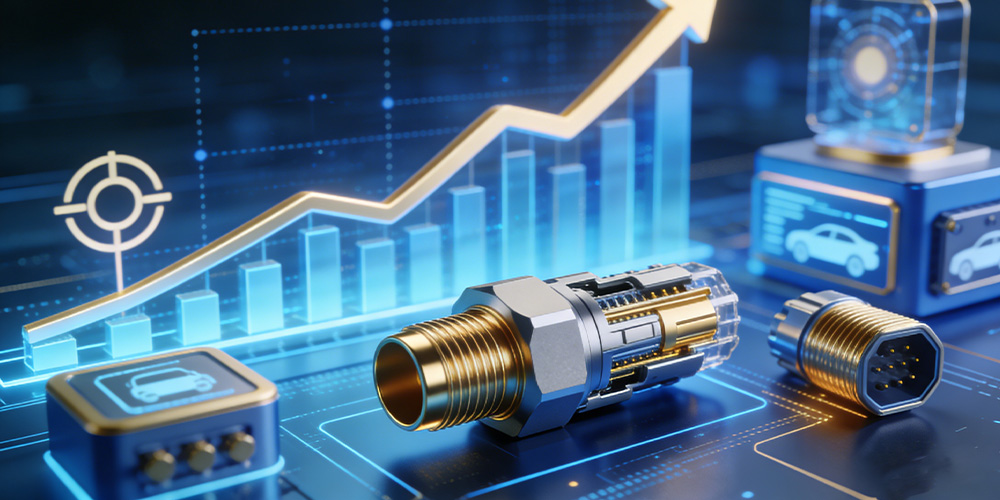
Impulsionado pela expansão contínua da produção e das vendas globais de VNEs, a demanda do mercado por conectores de alta tensão apresenta uma tendência de rápido crescimento. De acordo com dados relevantes, o tamanho do mercado global de conectores de alta tensão para VNEs alcançará 12,3 bilhões de dólares americanos em 2024, e espera-se que ultrapasse 25 bilhões de dólares americanos até 2030, com uma taxa de crescimento anual composta superior a 15%. Os principais fatores que impulsionam o crescimento do mercado incluem o aumento contínuo da taxa de penetração de VNEs, a aceleração da atualização para plataformas de alta tensão de 800 V e a crescente demanda por conectores inteligentes e integrados.
No entanto, o mercado de conectores de alta tensão para VNEs também enfrenta muitos desafios. Por um lado, com a intensificação da concorrência no mercado, os fabricantes precisam equilibrar a relação entre alto desempenho, baixo custo e confiabilidade. Materiais de alto desempenho e tecnologias avançadas aumentarão o custo de produção dos conectores, enquanto consumidores e fabricantes de veículos possuem requisitos rigorosos em relação aos preços dos produtos. Como reduzir custos garantindo o desempenho tornou-se um problema importante enfrentado pelos fabricantes. Por outro lado, a velocidade de iteração tecnológica dos VNEs é muito rápida, e os conectores de alta tensão precisam acompanhar o ritmo do desenvolvimento tecnológico dos fabricantes de veículos, como adaptar-se à atualização das plataformas de alta tensão, atender às necessidades de redes inteligentes, entre outros. Isso impõe requisitos mais elevados às capacidades de P&D e à velocidade de inovação dos fabricantes de conectores.
Olhando para o futuro, o mercado de conectores de alta tensão para VNEs apresentará uma tendência de desenvolvimento mais evidente em direção à alta tensão, inteligência, leveza e integração. Com a ampla aplicação de plataformas de alta tensão de 800 V+, os conectores de alta tensão avançarão para níveis mais elevados de tensão e corrente; a integração de mais sensores inteligentes e módulos de comunicação tornará os conectores uma parte importante do sistema inteligente do veículo; a inovação contínua de materiais leves reduzirá ainda mais o peso dos conectores e melhorará a eficiência energética; o nível de integração e modularização continuará a aumentar, promovendo a simplificação e a alta eficiência do sistema de energia.
Clique para retornar ao diretório
Conclusão
Como um componente essencial do sistema de energia dos VNEs, os conectores de alta tensão não são apenas os "vasos sanguíneos" para a transmissão de energia, mas também a "barreira de segurança" para a operação do veículo. Seu desempenho afeta diretamente a autonomia de condução e o desempenho de segurança dos VEs, sendo um elo central indispensável no desenvolvimento de alta qualidade da indústria de VNEs.
Com o avanço contínuo da tecnologia, os conectores de alta tensão estão constantemente evoluindo em direção a maior tensão, maior eficiência, inteligência e integração, fornecendo forte suporte para superar os gargalos de autonomia e segurança dos VEs. No futuro, com a expansão contínua do mercado de VNEs e o desenvolvimento aprofundado das tecnologias inteligentes e de alta tensão, os conectores de alta tensão desempenharão um papel ainda mais importante. Acredita-se que, por meio dos esforços conjuntos das empresas a montante e a jusante da indústria, a tecnologia de conectores de alta tensão continuará a inovar, contribuindo mais para o desenvolvimento sustentável da indústria global de veículos de nova energia.
Tel : 0592 6536915
Móvel : 8613950494073
O email : sophia@fzolink.com
Skype : Zheng lris
Whatsapp : 8613950494073